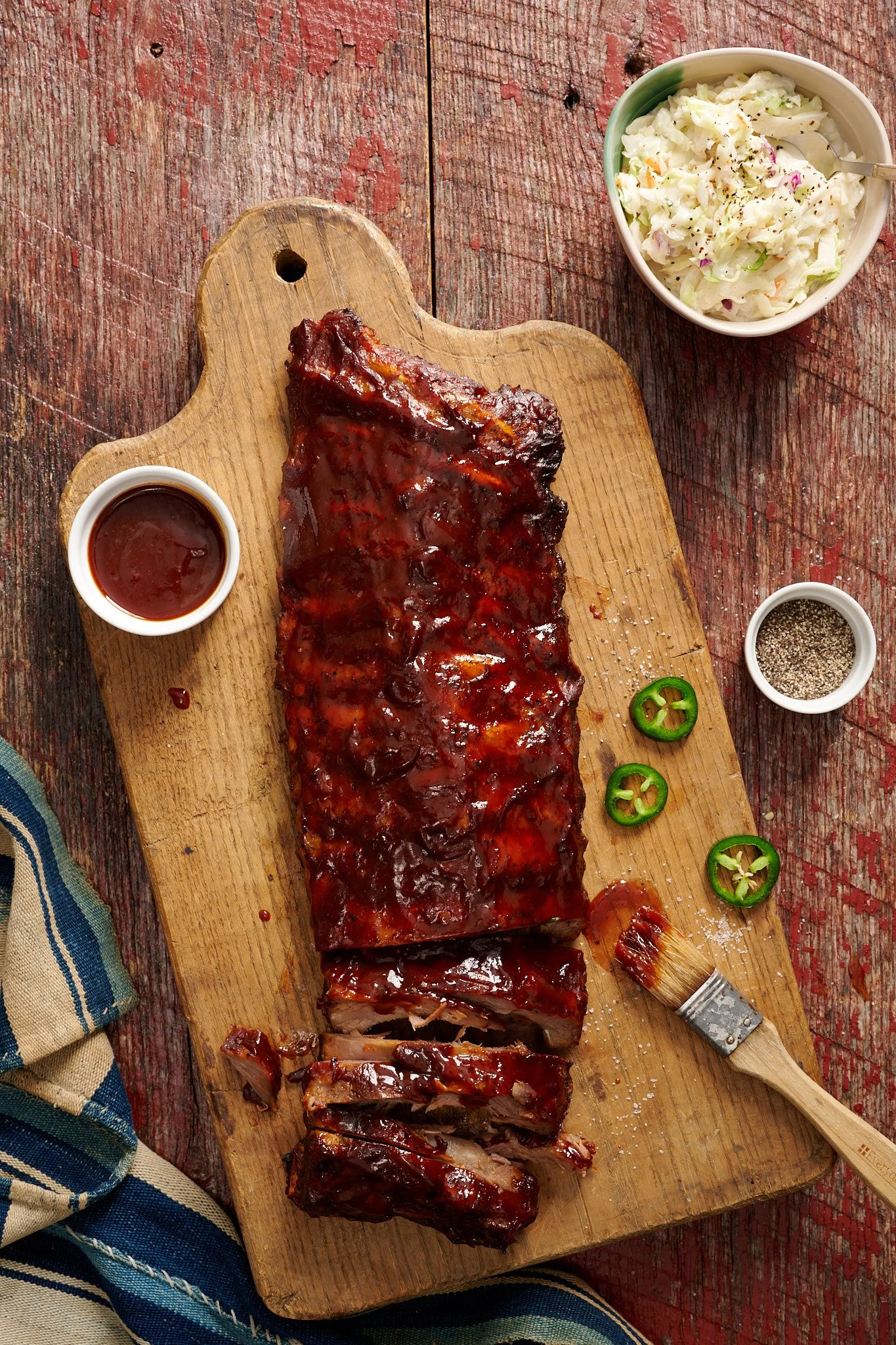
One of the most frequent questions we hear from cookbook authors and editors is: “How many recipes can we realistically photograph in a day?” The answer? It depends. The number of recipes we can shoot in a day is influenced by a host of factors, from creative vision and pre-production planning to team size and time constraints. Let’s break it down.
Start with the Big Picture
The first step in any cookbook photography discussion is understanding the scope: Are we photographing every recipe in the book? Some titles call for full coverage, while others may focus on hero dishes or chapter openers. There’s no one-size-fits-all solution here, it depends on the book’s concept, the visual narrative, and the expectations of your target audience.
Once that’s determined, we look at the timeline. How many days are available for photography? How much time can the author or culinary team be on set? The answers to these questions will help establish a realistic pace. Generally speaking, quality and quantity exist on a sliding scale. High-end, visually rich images require more time, plain and simple.
The Math Behind the Magic
A typical production day runs about 10 hours. From that, we subtract time for load-in, lunch, and wrap-up, leaving approximately seven usable hours for actual shooting. Stick with me here. So, say we aim to capture 21 dishes over three days. That breaks down to roughly one image per hour.
Understanding this math helps clarify expectations. If you’re aiming for elevated, stylized photography, we’ll need to allow enough time to achieve that. Alternatively, if the goal is to document as many recipes as possible for a large volume cookbook, we’ll adapt our approach to prioritize efficiency.
Preproduction: The True Backbone of Success
The most important phase in cookbook photography is preproduction. This is where the strategy comes to life. At this stage, we map out every shot and build the framework for a smooth production. Here’s what we typically define:
Number of lighting setups
Backgrounds and surfaces
Props, serveware, flatware
Shot list and visual approach per recipe
We highly recommend creating a preproduction spreadsheet that details each recipe, its assigned visual treatment (lighting, angle, plating), and any prop or background notes. This kind of roadmap increases clarity and drastically boosts on-set efficiency.
Creativity Needs Breathing Room
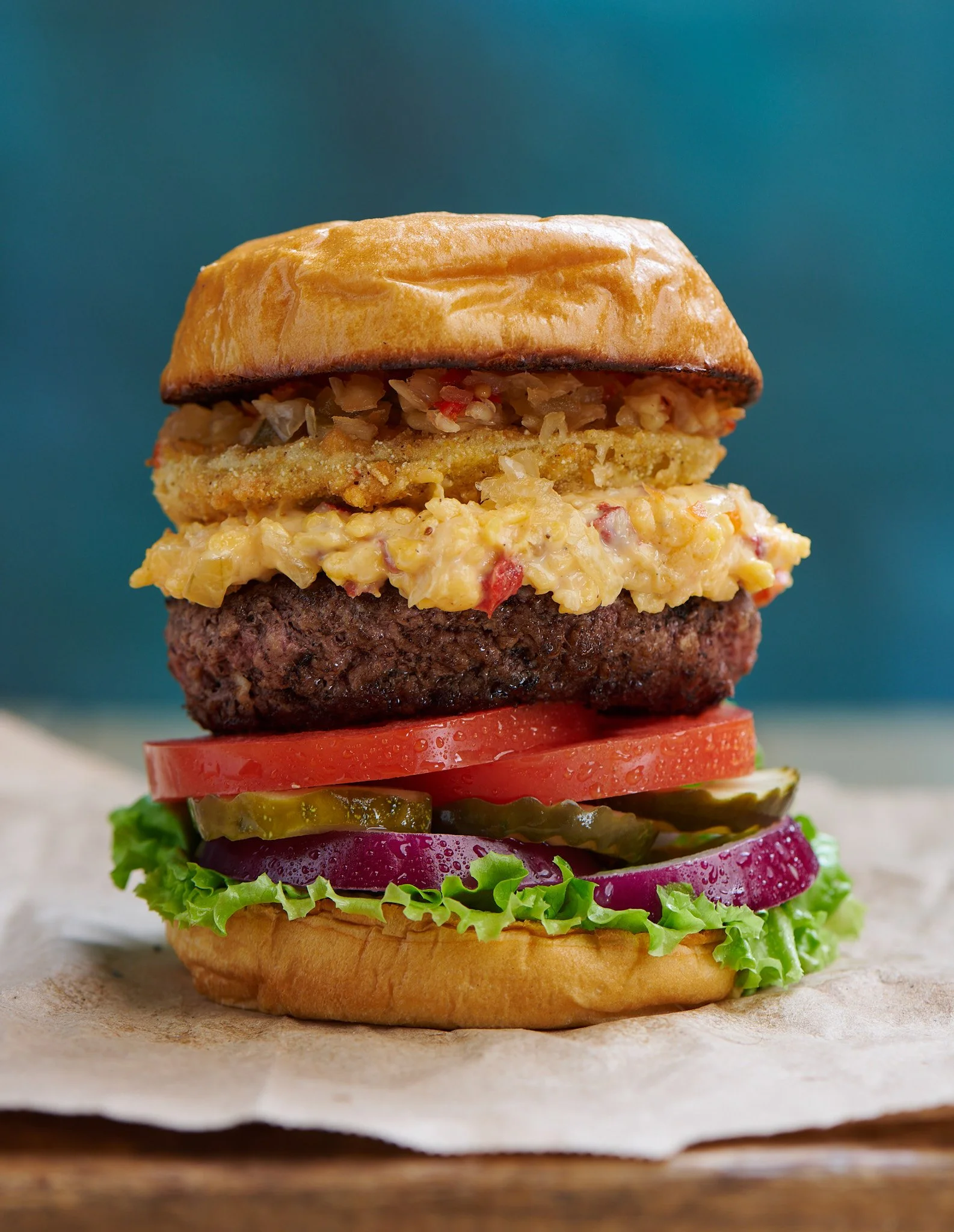
Creative exploration takes time. When we’re rushed, we default to safe, proven setups to stay on schedule. When we have room to breathe, we can experiment, trying alternate compositions, fresh lighting ideas, and unexpected styling choices. Some of the best cookbook imagery comes from that space between the planned shot and a spontaneous one. Building in time for creative flexibility can elevate a book from good to unforgettable.
Crew Size = Efficiency and Excellence
Production quality is also deeply tied to crew size. A fully staffed team might include:
Photographer
Producer
Food stylist + assistant
Prop stylist
Digital tech
Photo assistant
Second assistant
Production assistant
With everyone working in sync, we can move swiftly without compromising quality. Reducing the crew slows down the process and may limit the complexity or polish of the final images. For high-volume shoots, we sometimes run dual photo bays to maximize output without sacrificing visual consistency.
Final Thoughts
Finding the right balance between quality and quantity is a nuanced process. There’s no universal answer, but there is a best answer for your book. Whether you’re producing a visually-driven lifestyle cookbook or a comprehensive culinary reference, we’re here to help guide you through the logistics, strategy, and creative possibilities.
Have questions about planning your next cookbook shoot? Let’s talk.